Blog
Land Clearing Mastery: A Deep Dive into Techniques and Best Practices
Land clearing is the initial step in preparing a site for construction. It involves removing trees, brush, and debris to create a workable surface. At Westside Development LLC, we utilize a range of techniques tailored to the specific challenges and unique characteristics of each site. Whether the terrain is densely wooded or filled with underbrush, our team employs industry-leading methods to clear land efficiently while minimizing environmental impact.
One fundamental method is mechanical clearing. This technique uses heavy machinery like bulldozers and excavators to quickly clear large land areas. For sites demanding finer precision, hand-clearing may be more appropriate. This manual approach involves using chainsaws and other handheld tools to remove unwanted vegetation carefully, ensuring minimal disturbance to the site. Mechanical clearing is ideal for large projects because it saves time, although more delicate projects benefit significantly from hand-clearing.
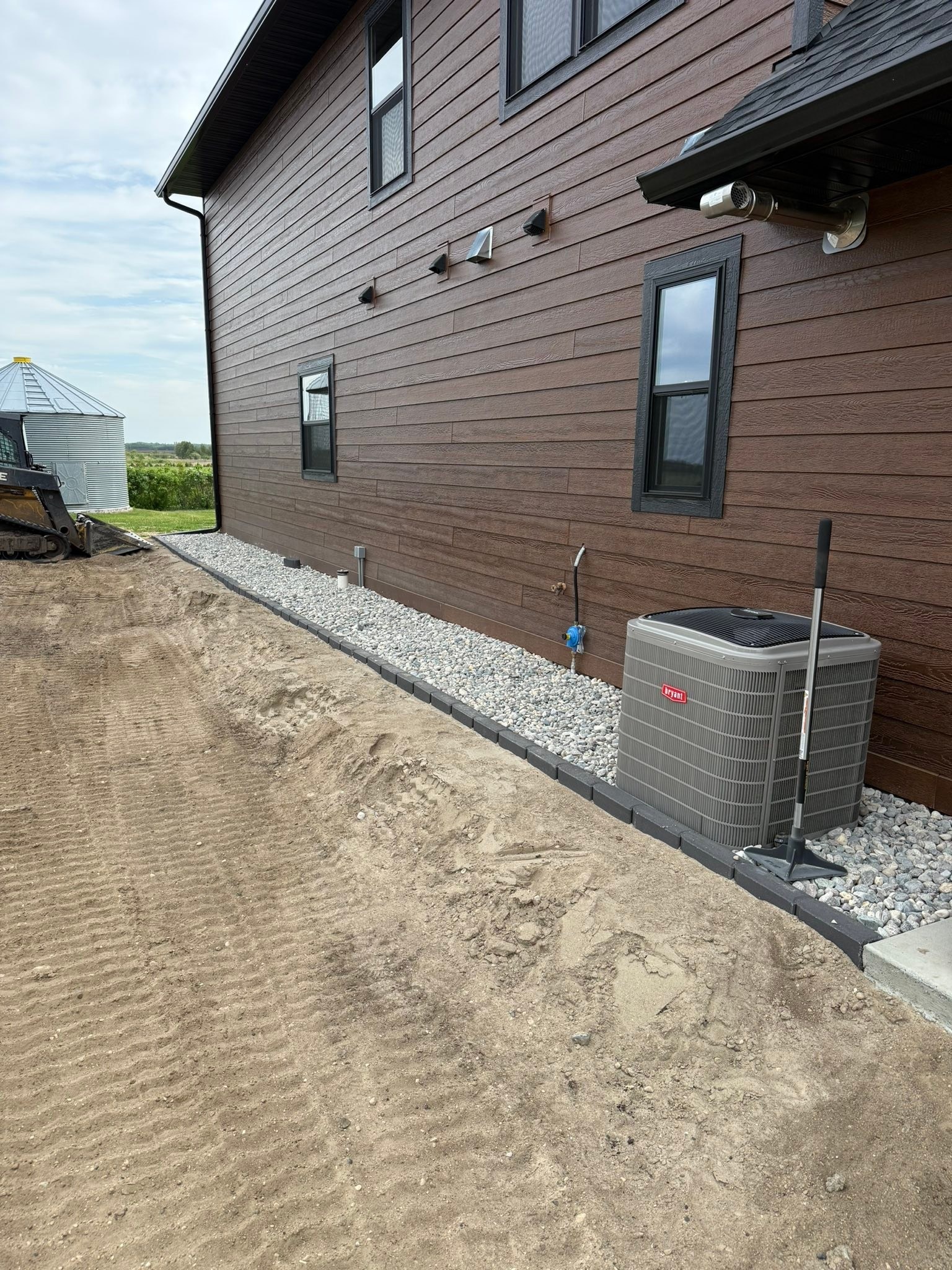
Once the area is cleared, the next step is grading, which involves leveling the ground to ensure proper drainage and soil stability. Proper grading prevents water accumulation, safeguarding against potential property damage or foundation erosion. At Westside Development, our grading techniques prioritize precision and sustainability. Using advanced laser-guided systems, we achieve accurate grading results that accommodate any project's specific needs.
A key component of grading is understanding the land’s natural contours and using them to an advantage. By working with the landscape rather than against it, our team can enhance the existing terrain while ensuring effective drainage and soil integrity. It's crucial to assess the soil type and ensure that the grading process maintains or improves its compaction and stability. This assessment helps prevent future issues, such as soil erosion, which can compromise both aesthetic values and structural safety.
Incorporating erosion control measures into projects is another practice that underscores our commitment at Westside Development LLC to environmentally responsible construction. Techniques such as silt fences, sediment traps, and retention ponds are employed to manage water flow and retain soil on slopes and disturbed ground. These measures are crucial during and after the clearing and grading processes, ensuring that construction proceeds smoothly without unexpected setbacks due to environmental degradation.
The environmental aspect plays a significant role in land clearing and grading projects today. At Westside Development LLC, ensuring compliance with local regulations not only meets legal requirements but also reflects our dedication to sustainable land management. Evaluating the environmental impact and mitigating adverse effects is a core aspect of every project we undertake, aligning our operations with long-term ecological well-being.
As our projects conclude, we conduct thorough site inspections to ensure all work aligns with our high standards and client expectations. This commitment to quality ensures that the land is adequately prepared for the ensuing phases of construction or landscaping, leaving our clients with confidence in their project's foundation.
In conclusion, mastering the techniques of land clearing and grading is vital for any successful project. Choosing a partner like Westside Development LLC, known for detailed planning, execution, and sustainability, ensures the best results, laying a robust groundwork for your construction ambitions. Whether preparing for a residential project or large commercial development, understanding these processes is essential to build a more promising future.